
A basement remodeling project can transform an underused area into a practical and comfortable part of the home. Many homeowners use basement spaces for storage, but with the right design, they can become living areas, offices, or entertainment rooms. A well-planned basement remodel improves both functionality and overall home value. This guide explains key ideas, layouts, and design strategies to help create a basement space that works for everyday living.
Planning a Basement Remodeling Project
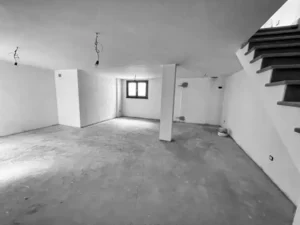
Basement remodeling requires careful planning because it involves unique structural and environmental conditions. Unlike other parts of the home, basements must address moisture, lighting, and ventilation before design begins. Proper planning ensures the space remains comfortable and durable over time. Understanding these factors helps homeowners make informed decisions about layout and materials.
A well-structured plan also ensures that the remodeled basement integrates smoothly with the rest of the home. This includes considering how the space will be accessed and how it will be used daily.
Assessing Space, Layout, and Function
The first step in basement remodeling is evaluating how the space can be used. Some homeowners convert basements into family rooms, while others create home offices, guest suites, or entertainment areas. The layout should reflect how the household plans to use the space on a daily basis.
Open layouts are often effective in basements because they make the area feel larger and more flexible. Dividing the space into zones can help organize activities such as seating, storage, and work areas. Ceiling height and structural elements like support beams also influence layout decisions.
Planning the function early helps guide all other design choices, from lighting to furniture placement. Find out more!
Addressing Moisture and Structural Needs
Basements are more prone to moisture than other areas of the home, making proper preparation essential. Waterproofing, insulation, and ventilation systems help protect the space from humidity and water damage. These elements also improve comfort and air quality.
Structural considerations include reinforcing walls, ensuring proper flooring installation, and checking foundation conditions. Addressing these factors early helps prevent issues after construction is complete. By focusing on moisture control and structure, homeowners can create a basement space that remains durable and comfortable over time.
Designing Functional Basement Layouts
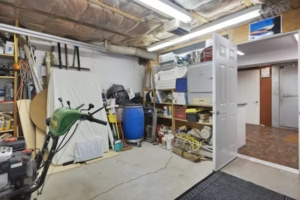
A successful basement remodeling project focuses on creating a layout that supports everyday activities. Because basements often have fewer windows and different structural constraints, design must be intentional. A thoughtful layout can turn a basement into a natural extension of the home. Designing for flexibility also allows the space to adapt as household needs change.
Open Concept vs. Divided Spaces
Open-concept layouts are popular in basement remodeling because they make the space feel larger and more connected. This design works well for family rooms, entertainment areas, and multi-purpose spaces. Fewer walls allow light to travel more easily, improving the overall atmosphere.
Divided spaces, on the other hand, are useful when privacy is needed. Home offices, guest rooms, or workout areas may benefit from enclosed sections. Combining open areas with a few defined rooms often provides the best balance. Choosing the right layout depends on how the basement will be used and how much flexibility is required.
Creating Multi-Purpose Areas
Many homeowners choose to design basements as multi-functional spaces. A single area can serve as a living room, workspace, and entertainment zone with proper planning. Flexible furniture and smart storage solutions help maximize usability.
For example, a seating area can double as a media room, while a corner workspace can support remote work or study. Storage solutions keep the space organized and prevent clutter. Multi-purpose design makes basement remodeling more practical and ensures the space remains useful over time.
Storage and Organization Solutions
Storage plays an important role in basement remodeling because it helps maintain a clean and functional space. Without proper organization, basements can quickly become cluttered. Integrating storage into the design ensures that the space remains practical for daily use.
Well-planned storage solutions also make it easier to maintain the basement over time.
Built-In Cabinets and Shelving
R&J Cabinetry states that quality cabinets are built to withstand the unique conditions of a basement, including moisture. Built-in cabinets and shelving provide structured storage that blends with the overall design. These features can be used to store books, electronics, seasonal items, and household supplies. Custom cabinetry allows homeowners to maximize available wall space.
Built-ins also create a more polished and cohesive look compared to standalone storage units. They can be designed to match the style of the basement, whether modern or traditional. This type of storage helps keep the space organized while maintaining a clean appearance.
Hidden and Under-Stair Storage
Basements often include unique spaces such as areas under stairs or along low walls. These areas can be converted into hidden storage solutions. Pull-out drawers, concealed cabinets, and compact storage units make use of these otherwise unused spaces.
Hidden storage helps reduce visual clutter and keeps the basement looking open and organized. It is especially useful in smaller basements where maximizing every inch of space is important. By using creative storage solutions, homeowners can maintain both functionality and design balance. Make an appointment with us now!
Lighting and Comfort in Basement Spaces
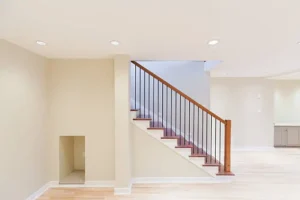
Lighting and comfort are key elements in basement remodeling. Because basements typically receive limited natural light, artificial lighting must be carefully planned. Creating a comfortable environment also involves temperature control and proper ventilation.
A well-lit and comfortable basement feels more like a natural extension of the home.
Layered Lighting Design
Layered lighting combines different types of lighting to create a balanced and functional space. This includes ambient lighting for overall brightness, task lighting for specific activities, and accent lighting for visual interest.
Recessed lighting is commonly used in basements because it provides even illumination without taking up ceiling space. Floor lamps and wall lighting can add warmth and depth to the design.
Proper lighting placement improves both functionality and the overall atmosphere of the basement.
Improving Ventilation and Temperature Control
Comfort in a basement depends on maintaining proper airflow and temperature. Ventilation systems help circulate air and reduce humidity levels. This improves air quality and prevents the space from feeling damp.
Insulation also plays a key role in regulating temperature. A well-insulated basement stays warmer in colder months and cooler during warmer seasons. These improvements make the space suitable for year-round use.
Many homeowners in Fairfax and Bethesda invest in basement remodeling to create comfortable, functional spaces that support modern living needs.
tel:+17035916757 Fairfax
tel:+1301-718-2800 Bethesda
Working with experienced professionals helps ensure that lighting, ventilation, and structural elements are properly integrated into the design.
Frequently Asked Questions (FAQs)
1. What is basement remodeling?
Basement remodeling is the process of converting an unfinished or underused basement into a functional living space. This can include adding flooring, walls, lighting, and storage. The goal is to improve usability and comfort. Proper planning ensures the space meets household needs.
2. How long does a basement remodeling project take?
The timeline depends on the size and complexity of the project. Smaller remodels may take a few weeks, while larger projects can take several months. Factors such as design, permits, and construction all affect the schedule. Planning ahead helps avoid delays.
3. What are common uses for a remodeled basement?
Remodeled basements are often used as family rooms, home offices, guest spaces, or entertainment areas. Some homeowners also include storage or workout areas. The design depends on the household’s needs. Flexible layouts allow for multiple uses.
4. Do I need permits for basement remodeling?
Permits are usually required if the project involves structural changes, electrical work, or plumbing. Local building codes determine what approvals are needed. Permits ensure the remodel meets safety standards. Contractors typically assist with the process.
5. How do I keep my basement dry after remodeling?
Moisture control is essential in basement remodeling. Waterproofing, proper drainage, and ventilation systems help keep the space dry. Using moisture-resistant materials also reduces risk. Regular maintenance ensures long-term protection.
Conclusion
Basement remodeling is a practical way to add functional living space without expanding the home’s footprint. With proper planning, design, and material selection, a basement can become a comfortable and versatile area for everyday use. From layout decisions to storage and lighting, each element plays a role in creating a well-balanced space.
If you are considering a basement remodeling project, a professional consultation can help you explore design options and develop a plan that fits your home and lifestyle. Thoughtful design and expert guidance ensure that the finished space is both functional and durable. Book an appointment now!

