
Full home remodeling is a comprehensive approach to improving both the function and appearance of a house. Instead of updating one room at a time, homeowners renovate multiple areas to create a cohesive and efficient living space. This process allows for better layout planning, consistent design, and long-term improvements in comfort. This guide explains how full home remodeling works, what to expect during the process, and how to plan effectively.
Planning a Full Home Remodeling Project

Planning is the most important stage of a full home remodeling project. Because multiple areas of the home are being updated, coordination and clear decision-making are essential. Without a structured plan, projects can become delayed or exceed expectations. Careful planning helps ensure that each phase of the remodel aligns with the homeowner’s goals.
A complete remodeling plan considers layout changes, material selections, and construction timelines. It also ensures that all updates work together to create a unified design.
Check this out: A Full Home Remodel vs. Room-by-Room Renovations
Setting Goals and Defining Scope
The first step in full home remodeling is identifying goals for the project. Some homeowners focus on improving layout and functionality, while others want to modernize outdated interiors. Defining these priorities helps guide design and construction decisions.
Scope refers to how much of the home will be remodeled. This may include kitchens, bathrooms, living areas, and even structural changes such as removing walls. A clearly defined scope ensures that all aspects of the project are planned from the beginning. Understanding both goals and scope helps prevent unnecessary changes later in the process.
Budgeting and Timeline Expectations
Budgeting is an essential part of full home remodeling. Costs can vary depending on the size of the home, the materials selected, and the complexity of the project. Establishing a realistic budget early helps guide decisions and keeps the project on track.
Timelines should also be discussed during the planning stage. Full home remodeling typically involves multiple phases, including design, permitting, demolition, and construction. Each phase requires coordination to ensure the project progresses efficiently. Clear expectations for both budget and timeline help homeowners prepare for the remodeling process. Book an appointment now!
Key Areas Included in Full Home Remodeling
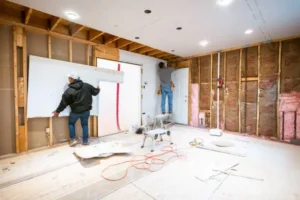
Full home remodeling usually involves updating several core areas of the house. These areas are often the most frequently used spaces and have the greatest impact on daily routines. Improving these spaces can significantly enhance overall comfort and usability. By focusing on key areas, homeowners can create a home that feels more functional and cohesive.
Kitchen and Bathroom Upgrades
Kitchens and bathrooms are central to full home remodeling projects. Updating these spaces improves both functionality and design. Kitchen remodels often include new cabinetry, improved layouts, and modern appliances. Bathroom renovations may involve updated fixtures, better storage, and improved lighting.
These upgrades help make everyday routines more efficient while also enhancing the overall appearance of the home. Because these spaces are used frequently, improvements in design and layout can have a noticeable impact. Modern materials and storage solutions also contribute to long-term durability.
Living Spaces and Open Layouts
Living rooms, dining areas, and family spaces are often included in full home remodeling projects. Many homeowners choose to create open layouts by removing walls or reconfiguring existing spaces. This approach improves natural light and creates a more connected environment.
Open layouts are particularly useful for families who want flexible spaces for daily activities and gatherings. Expanding living areas also allows for better furniture arrangement and improved traffic flow. These changes help create a more comfortable and functional home environment.
Designing a Cohesive Home Layout
A major benefit of full home remodeling is the ability to create a consistent design throughout the entire house. Instead of having separate styles in each room, homeowners can achieve a unified look that flows naturally from one space to another. Designing a cohesive layout requires careful attention to materials, colors, and architectural details.
Consistent Materials and Finishes
Using consistent materials throughout the home helps create a balanced and unified appearance. Flooring, cabinetry, and color palettes should complement each other across different rooms. This approach avoids visual inconsistencies and creates a more polished result.
For example, similar cabinet finishes in kitchens and bathrooms can create continuity. Coordinated flooring also helps connect living spaces and improves the overall flow of the home. Consistency in materials ensures that the remodel feels intentional and well-planned.
Using 3D Design Tools for Visualization
3D design tools are commonly used in full home remodeling projects to help homeowners visualize the final result. These tools allow users to see how different rooms will look and how design elements will connect across the home.
Visualization helps homeowners make informed decisions about layouts, materials, and finishes. It also reduces the risk of making changes during construction. By reviewing the design in advance, homeowners can feel more confident in the remodeling plan. Get a free estimate now!
Working With Professionals for Full Home Remodeling

Full home remodeling involves multiple stages and requires coordination between different professionals. Designers, contractors, and specialists work together to ensure the project is completed efficiently. Their experience helps address challenges related to structure, systems, and design. Working with professionals also ensures that the remodel meets safety standards and building codes.
Managing Construction and Coordination
A full home remodel typically includes several phases, such as demolition, structural work, installation, and finishing. Each phase must be carefully scheduled to avoid delays. Contractors coordinate materials, labor, and inspections to keep the project moving forward.
Effective communication between homeowners and professionals is important throughout the process. Regular updates help ensure that the project remains aligned with expectations. Proper coordination reduces the likelihood of unexpected issues during construction.
Ensuring Long-Term Quality and Durability
Durability is a key consideration in full home remodeling. Materials should be selected based on their ability to withstand daily use. Proper installation also plays a role in ensuring long-term performance.
Features such as moisture-resistant materials, strong cabinetry, and reliable fixtures help protect the investment. Attention to detail during construction ensures that each part of the home functions properly.
Many homeowners in Fairfax and Bethesda choose full home remodeling to modernize their living spaces while improving long-term comfort.
tel:+17035916757 Fairfax
tel:+1301-718-2800 Bethesda
Professional guidance helps homeowners navigate the remodeling process and achieve a well-designed result.
Frequently Asked Questions (FAQs)
1. What is full home remodeling?
Full home remodeling involves renovating multiple areas of a house at the same time. This may include kitchens, bathrooms, living spaces, and structural changes. The goal is to improve functionality and create a cohesive design. Proper planning ensures all elements work together.
2. How long does full home remodeling take?
The timeline varies depending on the size and complexity of the project. Smaller remodels may take a few months, while larger projects can take longer. Design, permitting, and construction all affect the schedule. Planning ahead helps ensure a smoother process.
3. Is it better to remodel the whole house at once?
Remodeling the entire home at once can provide better design consistency and efficiency. It also allows homeowners to address multiple issues in a single project. However, it requires careful planning and coordination. The decision depends on budget and long-term goals.
4. What areas are included in full home remodeling?
Full home remodeling typically includes kitchens, bathrooms, living rooms, and sometimes bedrooms. Structural updates and layout changes may also be part of the project. The exact scope depends on the homeowner’s needs. Each area is designed to improve overall functionality.
5. Do I need permits for full home remodeling?
Permits are usually required for structural, electrical, and plumbing work. Local building codes determine what approvals are needed. Permits ensure that the remodel meets safety standards. Contractors often assist homeowners with the application process.
Conclusion
Full home remodeling offers an opportunity to transform an entire house into a more functional and cohesive living space. By planning carefully, selecting consistent materials, and working with experienced professionals, homeowners can create a home that meets their current and future needs.
If you are considering a full home remodel, starting with a detailed consultation and design plan can help ensure a smooth process. A well-executed remodeling project enhances both comfort and long-term value, making it a worthwhile investment for many homeowners. Book a free consultation now!

