
A home addition can provide the extra space many homeowners need without moving to a new house. As families grow and daily routines change, additional square footage can improve comfort and functionality. Many homeowners expand their homes to create larger kitchens, add bathrooms, or build new living areas. This guide explains how home additions work, the planning process involved, and the design considerations that help ensure a successful project.
Planning a Home Addition Project
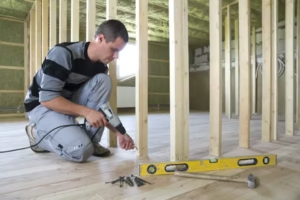
Careful planning is the first step in any home addition project. Expanding a home requires evaluating available space, structural considerations, and local building regulations. Without proper planning, additions may not integrate smoothly with the existing home. Taking time to review these factors helps ensure that the new space is both functional and structurally sound.
A well-planned home addition should improve how the home functions while maintaining a natural connection with the original structure. Professional guidance during the early stages often helps homeowners make informed decisions about layout and construction.
Evaluating Space and Layout Opportunities
Before designing a home addition, homeowners should consider how the new space will connect to the existing layout. The addition should complement the flow of the home rather than feel disconnected. For example, expanding a kitchen into an adjacent room or extending the back of the home can create a larger and more functional layout.
Outdoor space and property boundaries also influence where an addition can be built. Some homes allow rear or side extensions, while others may have zoning limitations. Evaluating these factors helps determine the most practical design options.
Understanding how the new space will be used is equally important. A home addition designed for a larger kitchen may require plumbing adjustments and structural support, while a living room addition may focus more on open space and natural lighting.
Permits and Structural Considerations
Most home additions require permits and approval from local building authorities. These permits ensure that the construction follows safety standards and local regulations. Structural considerations such as foundation support, roof alignment, and load-bearing walls must also be addressed.
Professional contractors and designers typically assist with permit applications and inspections. This process helps ensure that the new construction meets building codes and integrates safely with the existing home structure.
Proper planning during this stage helps avoid delays and ensures the home addition progresses smoothly once construction begins. Check out our services!
Popular Types of Home Additions
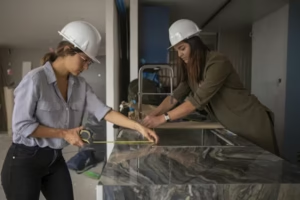
Home additions come in many forms depending on the homeowner’s goals. Some projects focus on expanding living space, while others add specialized rooms such as kitchens or bathrooms. Choosing the right type of addition depends on the household’s needs and the available property space.
Understanding common types of home additions helps homeowners identify the design that best fits their lifestyle.
Kitchen Expansions and Open Layouts
One of the most common reasons for a home addition is expanding the kitchen. Older homes often have smaller kitchens that may feel crowded when multiple people cook or gather in the space. Extending the kitchen area can create room for larger countertops, additional cabinets, and modern appliances.
Kitchen expansions often include open-concept layouts that connect the kitchen with dining or living spaces. This design improves both workflow and social interaction during meals and gatherings. Homeowners may also include features such as kitchen islands, expanded pantry storage, and improved lighting.
A well-designed kitchen addition can significantly improve daily routines while enhancing the overall value of the home.
Bathroom and Master Suite Additions
Another common home addition involves adding or expanding bathrooms. Growing families often benefit from having additional bathrooms to reduce congestion during busy mornings. Master suite additions are particularly popular because they create a private retreat within the home.
Master suite additions often include a larger bedroom, walk-in closet, and a spacious bathroom. Features such as walk-in showers, double vanities, and improved storage enhance comfort and convenience. These additions can also increase the overall functionality of the home.
By expanding bathroom space, homeowners create a more comfortable environment while improving the home’s long-term usability. Get free estimate now!
Designing a Seamless Home Addition
A successful home addition should look and feel like a natural part of the house. When design elements match the original architecture, the new space blends smoothly with the existing structure. Achieving this balance requires careful attention to materials, proportions, and layout.
Design planning also helps ensure that the addition supports both aesthetic and practical goals.
Matching Materials and Architectural Style
Maintaining a consistent architectural style is essential for a cohesive home addition. Exterior materials such as siding, roofing, and windows should align with the existing design. This helps the addition appear as though it was always part of the home.
Interior materials should also match the style of the house. Flooring, cabinetry, and color palettes that complement the original design create a unified appearance throughout the home.
A thoughtful approach to materials helps ensure that the addition enhances the home rather than standing out as a separate structure.
Using 3D Design Tools for Planning
Modern home addition projects often use 3D design tools to visualize the final result before construction begins. These tools allow homeowners to see how the new space will look and how it will connect to existing rooms.
Visualization helps homeowners make adjustments to layout, materials, and room sizes early in the planning process. Seeing the design in advance reduces uncertainty and helps prevent costly changes during construction.
3D planning also makes it easier to coordinate elements such as lighting, cabinetry, and furniture placement.
Working With Professionals for Home Additions

Because home additions involve structural work, permits, and multiple construction phases, working with experienced professionals is often essential. Designers and contractors coordinate the project to ensure that each step progresses smoothly. Their expertise helps address challenges related to plumbing, electrical systems, and structural support.
Professional planning also ensures that the home addition meets building codes and safety requirements.
Coordinating Design, Construction, and Permits
A home addition typically involves several stages including design, permitting, demolition, construction, and finishing work. Coordinating these phases requires careful scheduling and communication among multiple professionals.
Contractors often work with architects, engineers, and inspectors to ensure that the addition meets all structural and regulatory requirements. This coordination helps prevent delays and ensures the project remains on schedule.
Proper management of these steps is key to completing the addition successfully.
Ensuring Long-Term Durability and Function
Durability is an important factor in any home addition. The new space should be built with materials that can withstand daily use and environmental conditions. Proper insulation, ventilation, and moisture protection contribute to long-term performance.
High-quality construction also helps protect the homeowner’s investment. A well-built addition can serve the household for many years while enhancing comfort and convenience.
Many homeowners in Fairfax and Bethesda choose professional remodeling services when planning a home addition to ensure their project meets both functional and design goals.
tel:+17035916757 Fairfax
tel:+1301-718-2800 Bethesda
Experienced professionals can guide homeowners through the design process and help transform their ideas into a well-executed addition.
Frequently Asked Questions (FAQs)
1. What is a home addition?
A home addition is a construction project that increases the size of an existing house by adding new rooms or expanding existing ones. These additions may include kitchens, bathrooms, bedrooms, or living areas. The goal is to create more functional living space. Proper planning ensures the addition integrates with the current structure.
2. Do home additions increase property value?
Home additions can increase property value when they improve functionality and living space. Projects such as kitchen expansions, additional bathrooms, or master suites are often appealing to future buyers. The value increase depends on design quality and local housing trends. Well-planned additions tend to provide the greatest benefits.
3. How long does a home addition take?
The timeline for a home addition varies depending on the size and complexity of the project. Smaller additions may take several weeks, while larger expansions can take several months. The design process, permit approvals, and construction phases all influence the schedule. Proper planning helps ensure the project stays on track.
4. What rooms are most common in home additions?
Common home additions include kitchen expansions, additional bathrooms, master suites, and family rooms. These spaces improve daily comfort and increase the usability of the home. Homeowners often choose additions that address current lifestyle needs. The right choice depends on household priorities.
5. Do I need permits for a home addition?
Most home additions require permits because they involve structural changes to the house. Permits ensure that the construction meets safety standards and building codes. Local authorities review plans before approving the project. Professional contractors usually assist homeowners with the permit process.
Conclusion
A home addition is an effective way to expand living space and improve the functionality of a house. Whether adding a larger kitchen, an additional bathroom, or a new living area, careful planning ensures the new space integrates seamlessly with the existing home.
By working with experienced designers and contractors, homeowners can create additions that enhance comfort, improve daily routines, and add long-term value. If you are considering a home addition, a professional consultation can help you explore design options and begin planning a project that meets your needs. Book an appointment now!

